PEACEFUL LEADERSHIP CAMP
Statement
Why do working professionals come to Nagasaki to study "Peace" today?
To renew the perspective on people and organisations,
and to cultivate the leadership that this era demands.
Nagasaki, hibaku-chi (a place that survived the atomic bomb).
Here, humanity has faced the extremes of both "human dignity" and "structural violence".
Engaging with that history, reflecting deeply on yourself,
and entering into genuine dialogue — we aim to offer a catalyst for
meaningful change: a new perspective on how you live, and what your organisation can become.
5 Key Reasons to Choose This Camp
-
Point 1
Rediscover Yourself through Experiences Only Nagasaki Can Offer
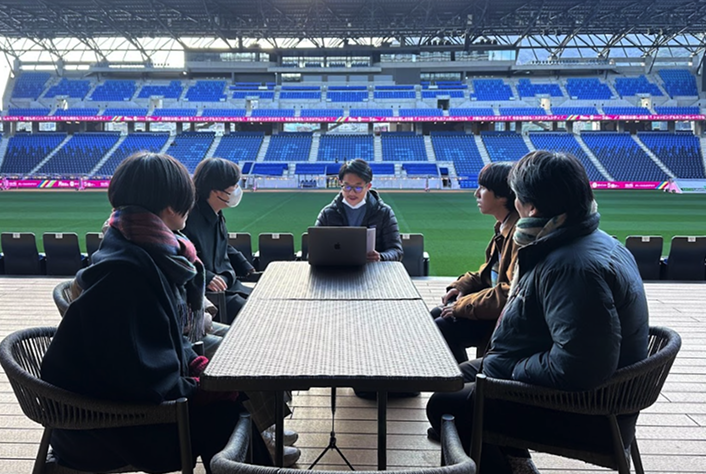
Fieldwork at the Atomic Bomb Museum, Peace Park, PEACE STADIUM, and Dejima is more than just a history lesson. It is an opportunity to rediscover yourself through case studies of tragedy, reconstruction, and multicultural coexistence. By taking the time to pause, reflect, and talk, you will confront aspects of yourself you may never have noticed before.
-
Point 2
Dialogue with the Next Generation in Nagasaki
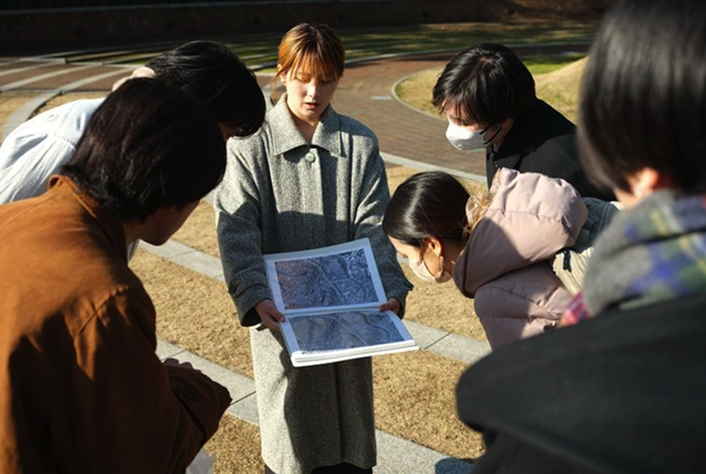
During tours around the Hypocenter Park and Peace Park, young people from Nagasaki will guide you as "Peace Buddies." As Hibakusha (survivors) age, seeing the next generation work to pass on their memories and wishes for peace provides an opportunity to consider how you can contribute to a better society.
-
Point 3
Understanding "Structural Violence" and Peaceful Organizational Development
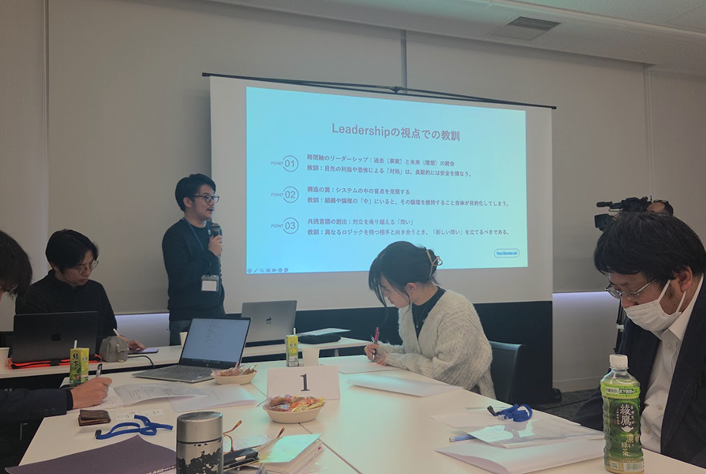
In Peace Studies, the opposite of peace is defined as "violence," categorized into three types: direct, structural, and cultural. Issues like harassment and compliance violations are often not just individual problems but are rooted in "structural" or "cultural" violence embedded within the organization. By understanding these mechanisms, you will learn a "prescription" for removing unhealthy elements and creating a "healthy organization" where people can thrive.
-
Point 4
Reflecting on Your "Core" Axis
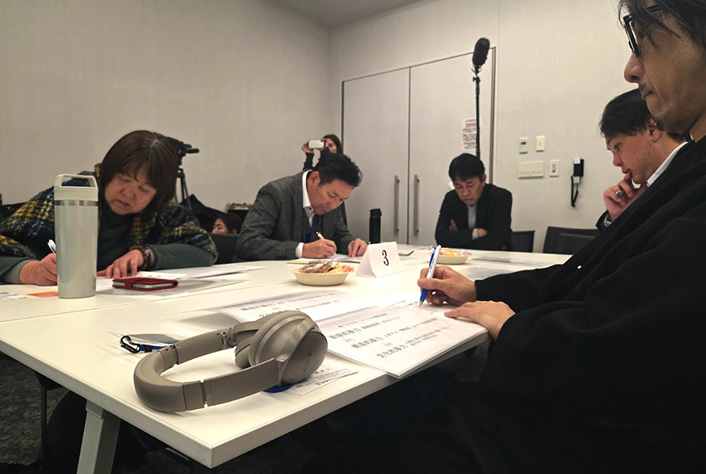
Through fieldwork and workshops, you will find your own authentic voice, not just borrowed words. By aligning organizational purpose with your own meaning of life, you will discover the axis needed to become a leader who can make decisions based on personal ethics and will.
-
Point 5
Diverse Approaches to Creating a "New Normal"
What is "normal" today was once not so. Similarly, what we take for granted now may change. How can we change the "status quo" through our business and activities? By absorbing diverse approaches, we nurture the conviction that "I, too, can change society."
3 Key Philosophies
-
- Questions over Answers:
- A clean sense of "understanding" in business can sometimes lead to a halt in thinking. This program aims for you to take home "conflict" and "ambiguity" that don't have easy answers. This intellectual load becomes the power to carve out a path in an uncertain era.
-
- Dialogue and Transformation:
- While debate decides winners and losers, dialogue creates mutual transformation. Through dialogue with others of different backgrounds, history, and yourself, you will experience "self-transformation" as your values are shaken and reconstructed into a new form.
-
- Taking a Moment to Pause:
- In daily operations, pausing may not be allowed. However, to determine the right path, one must stop and check the compass. We ensure time for deep reflection away from the workplace in this special location.
Program Details
We create programs by combining fieldwork across Nagasaki City with interactive workshops. Sufficient time is allocated for reflection and dialogue to encourage personal introspection and peer-to-peer discussion. We also incorporate local food, culture, and city walks to make it a memorable experience. We maintain a community where participants can stay connected long after the program ends.
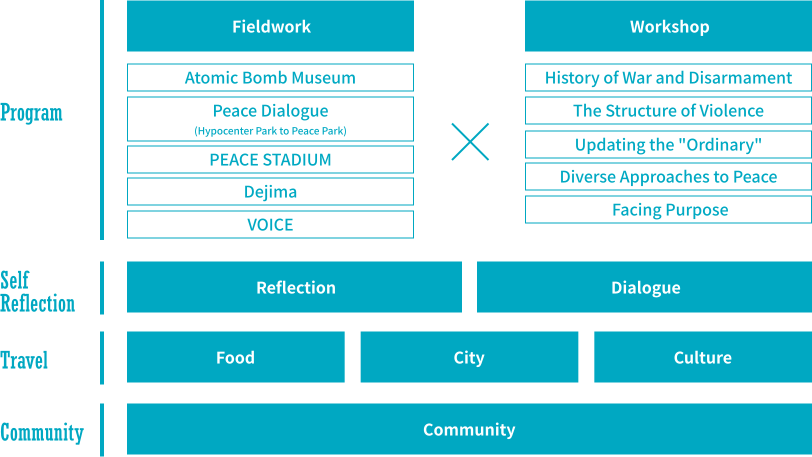
Fieldwork
- Atomic Bomb Museum
- Experience the remnants of the ultimate "violence" humanity has ever endured. Beyond mere numbers and data, you can learn the reality of the atomic bombing through the eyes of those who survived, while understanding the social climate of that time.
- Peace Dialogue (Hypocenter Park to Peace Park)
- Walk through the atomic bombing heritage sites and the Peace Park alongside "Peace Buddies"— local youth in Nagasaki. This is an opportunity to reflect on what you can do by engaging with the passion and perspectives of the younger generation.
- PEACE STADIUM
- Creating peace where weapons were once made. Within this state-of-the-art stadium, experience how Nagasaki-based companies are "building peace through business."
- Dejima
- Stand in a historical space where diverse values and cultures once intersected. Learn the origins of "Multicultural Coexistence"—the process of accepting the unfamiliar and elevating it into a unique value.
- VOICE
- A dedicated space for dialogue located in the heart of Nagasaki’s downtown. Gathering around a round table, you will reflect on the day, and share your learnings and questions with each other.
Workshop
- History of War and Disarmament
- How has humanity sought peace throughout a history of conflict? By surveying the broader dynamics of history, you can decode the risks and divisions of modern society while developing a high-level perspective and cultural literacy.
- The Structure of Violence
- Using theories from Peace Studies, we demystify the mechanisms of "invisible violence" hidden within organizations, such as harassment and self-censorship. This session fosters the insight needed to build "healthy organizations" where individuals can thrive.
- Updating the "Ordinary"
- By reviewing cases where "new normals" were born—such as the fight against racial discrimination, women’s social participation, and technological breakthroughs—you can acquire the mindset to envision an ideal future from diverse angles.
- Diverse Approaches to Peace
- Contributing to a peaceful world through business can take many forms. You will sharpen your ability to devise solutions for complex challenges by leveraging your organization's unique strengths from multiple perspectives.
- Facing Purpose
- Reflect on the emotions and insights gained through the various programs. Consider where the organization's mission meets what gives your own work and life meaning — and express that in your own words.
Recommended For:
- Next-generation executives and leader candidates (Department head level)
- Managers and supervisors (Section head level, team leaders)
- Third-year or young employees (Late 20s)
- New recruits (New graduates, second new graduates)
- [For companies in Nagasaki] Transferees and relocated staff (Branch managers or expats arriving from outside the prefecture)
Facilitator Profiles
-
Mitsuhiro Hayashida
Representative Director, Peace Education Lab Nagasaki
Raised in Urakami, Nagasaki. He has been involved in peace activities since his third year of junior high school. He served as the campaign leader for the "International Hibakusha Signature" (2016-2020) and a project researcher at Nagasaki University. He has directed various digital archives and forums and attended the Nobel Peace Prize ceremony in Oslo in 2024 as part of the Hidankyo delegation. -
Tomoyuki Torisu
Founder of Better Co., Ltd. / Co-founder of PLAB
Born in Nagasaki. After working as a copywriter at Dentsu Inc. involved in ad campaigns and product development, he became a member of "Dentsu B Team." Since 2019, he has served as a PR strategy advisor for Nagasaki City and started Better Co., Ltd. in 2021. He co-founded PLAB with Hayashida in 2022.
Staff Profiles
-
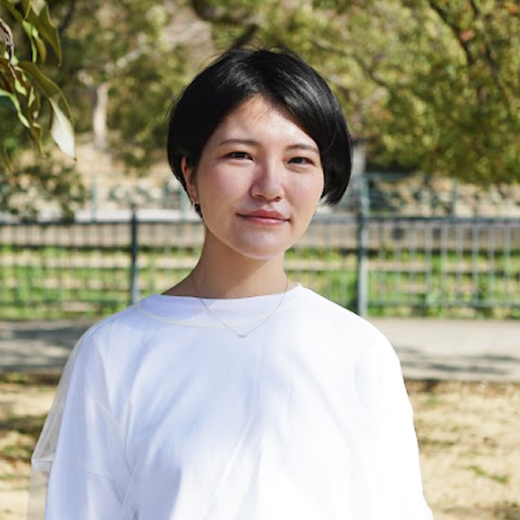
Moeko Jinda
Born in Kumamoto City in 1998. Graduated from the Faculty of Education at Kumamoto University, specializing in the Yogo Teacher (School Nurse) training course. After working as an assistant Yogo teacher at a public school in Kumamoto, she moved to Nagasaki City due to a family relocation. She joined PLAB after her initial involvement as a Peace Buddy.
-
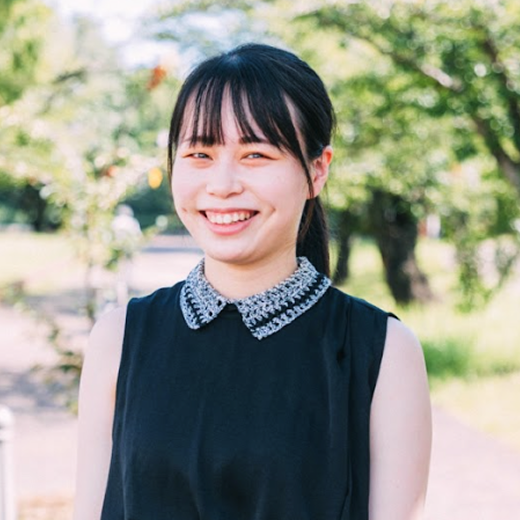
Moe Sekiguchi
Born in Nagasaki Prefecture in 2000. During high school, she participated in the "10,000 High School Student Signature Campaign" aiming for the abolition of nuclear weapons and the realization of a peaceful world. In her second year of high school, she served as the 19th High School Student Peace Ambassador. Currently, she serves as the Director of Peace Education Projects at Peace Education Lab Nagasaki.
-
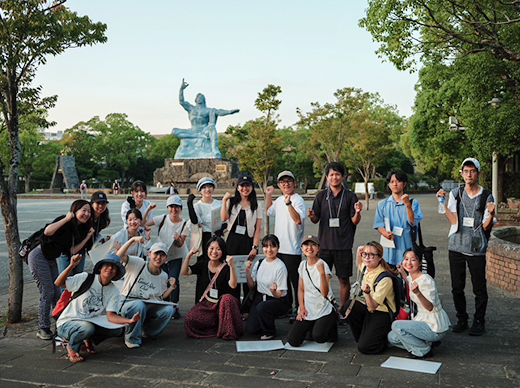
Peace Buddy
Young people from Nagasaki who serve as guides for tours around the Hypocenter Park and Peace Park. As the atomic bomb survivors (Hibakusha) age, this younger generation works to inherit their memories and aspirations for peace. They provide opportunities for participants to engage with unique questions found only in Nagasaki, thinking and sharing perspectives together.
Partners
-
MITEMO
A collaboration company that solves challenges for individuals, organizations, and society through the expertise of human resource development and education, combined with the power of design. Their mission is to "guide businesses and projects to success through design, and achieve sustainable growth and self-innovation for organizations and regions through education." They are engaged in talent development, educational support, design services, and regional co-creation.
View website -
JTB
View website